Recycling and Sustainability at Landscaping Foresthill
 At Landscaping Foresthill, sustainability is built into the way we plan, carry out, and complete every outdoor project. Our landscaping Foresthill approach focuses on reducing waste, reusing suitable materials, and making sure recyclable items are separated correctly from the start. We work with a practical recycling percentage target across our site operations, aiming to divert at least 85% of non-hazardous green waste and hard landscaping debris from landfill through reuse, recycling, and responsible recovery. This helps us support a cleaner local environment while keeping our services efficient and environmentally aware.
In the Foresthill area, waste handling often depends on careful sorting and local disposal routes, so our teams plan projects with separation in mind. We recognise that nearby boroughs and districts increasingly expect distinct waste streams for soil, timber, metal, plastics, and green cuttings, and we align our working methods with those expectations. By separating materials on site, we can send suitable items to the correct recycling facilities rather than mixing them in general waste. That means fewer contaminants, better recovery rates, and a more circular way of working for landscaping in Foresthill.
We also make use of local transfer stations where appropriate, helping ensure that materials are moved efficiently to the right downstream processing sites. Landscaping Foresthill recycling is not only about removing waste; it is about matching each material to the most suitable route. Clean green waste may be chipped or composted, inert waste can be sorted for aggregate recovery, and selected timber or metal can be passed into specialist recycling streams. This careful approach supports lower emissions and better resource use across each job.
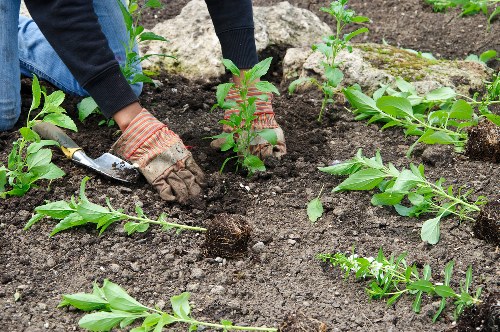 Partnerships with charities play an important role in our sustainability work. Where items are still usable, we prioritise donation over disposal, helping furniture, pots, timber offcuts, tools, and garden accessories reach charitable organisations and community initiatives. These partnerships reduce waste and give materials a second life in projects that benefit local people. For Foresthill landscaping, this means a more thoughtful process that values reuse as highly as recycling, while also contributing to wider social good.
Our teams also look for opportunities to recover materials during refurbishment and clearance work. In some cases, paving offcuts, crushed stone, topsoil, and untreated timber can be reused in other landscaping applications. We take a circular economy view, where the goal is not simply to dispose of waste but to keep resources active for as long as possible. This is particularly relevant in areas where waste separation is already part of everyday practice, as it supports a smoother flow from site to recycling or reuse destinations.
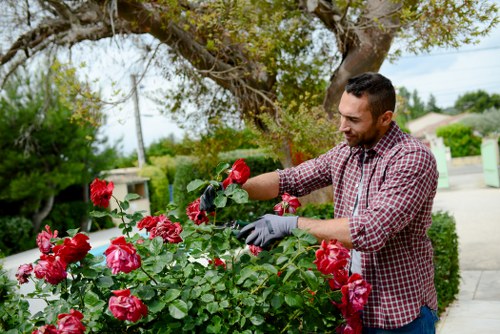 Transport is another key area where we reduce impact. Landscaping Foresthill uses low-carbon vans in our fleet wherever possible, selected for improved fuel efficiency and lower emissions. These vehicles help cut the carbon footprint of journeys to and from local sites, transfer stations, and reuse partners. By combining route planning with cleaner vehicles, we reduce unnecessary mileage and support a more sustainable service model. This is an important part of landscaping Foresthill sustainability, especially when multiple visits are needed for larger projects.
Alongside vehicle choices, we keep a close eye on how materials are loaded and transported. Better load management means fewer trips, less fuel use, and more efficient recycling logistics. For example, green waste from pruning and clearance can be compacted for transport, while separated inert materials can be moved in dedicated loads to avoid cross-contamination. These small operational decisions add up and support our broader recycling target while also improving day-to-day efficiency.
We also take a thoughtful approach to packaging and consumables. Wherever practical, we choose reusable containers, reduce single-use plastics, and separate cardboard, plastic film, and metal fasteners for recycling. In regions where boroughs and local authorities encourage clear waste segregation, that kind of discipline matters. It helps us stay aligned with local waste separation expectations and makes it easier for recycling facilities to process materials effectively. For clients, it means a cleaner, more organised working method from start to finish.
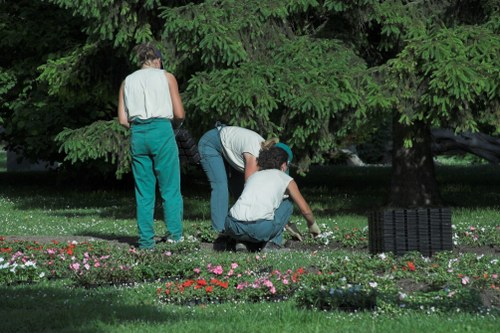 Our sustainability commitment extends to the way we source and maintain equipment too. By maintaining machinery properly, we extend its lifespan and reduce the need for premature replacement. Repairing, refurbishing, and reusing tools and components whenever possible lowers embodied carbon and cuts down on disposal. In practical terms, this supports a lower-waste model for Foresthill landscaping recycling and reinforces our aim to deliver quality outdoor work with fewer environmental impacts.
We understand that customers increasingly want landscaping services that support environmental responsibility without compromising on quality. That is why our low-carbon vans, local transfer station use, charitable partnerships, and waste separation practices are all part of one joined-up strategy. By planning each project carefully, we can divert a significant proportion of materials from landfill, recover valuable resources, and keep the carbon footprint of our operations as low as practical. This makes sustainable landscaping more than a slogan; it becomes a working standard.
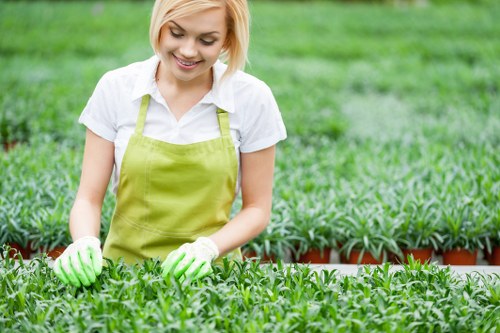 Looking ahead, Landscaping Foresthill will continue to improve its recycling performance and strengthen relationships with local reuse and recovery partners. Our goal remains clear: increase recycling rates, minimise avoidable waste, and support the community through responsible resource management. Whether the task involves green waste, soil, timber, stone, or mixed site materials, we treat sustainability as a core part of the service. That is what makes our approach to landscaping Foresthill both practical and environmentally conscious.