Garden Design and Build in Foresthill
Creating outdoor spaces that suit Foresthill homes and businesses

If you are looking for garden design and build in Foresthill, you may already know that a good outdoor space needs more than a few plants and a new patio. It should suit the way you live, fit the character of your property, and work well through the changing seasons. In Foresthill, that often means designing for sloping plots, mature surroundings, family gardens, practical parking access, and a mix of older homes, newer developments, and small commercial premises.
A well-planned garden can transform how you use your property. It can give you a place to entertain, a safer space for children, a low-maintenance layout for a busy lifestyle, or a smarter outside area that supports your business frontage. Whether you want a complete redesign or a careful build from an existing plan, local knowledge matters. Working with a team that understands Foresthill helps you make better decisions about materials, access, drainage, planting, and long-term upkeep.
Our approach is simple: design a garden that feels right for the property, build it with care, and leave you with a space that is practical as well as attractive. From compact front gardens to larger rear spaces, the right garden design and build service can make everyday life easier and more enjoyable.
Why local garden design matters in Foresthill
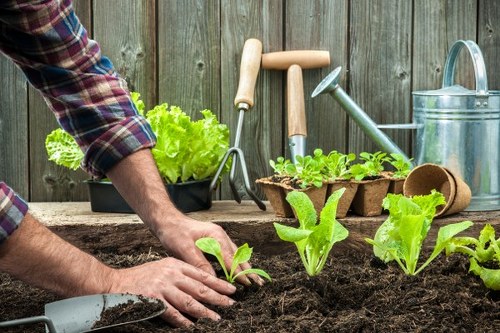
Foresthill properties often come with their own set of quirks. Some homes have narrow side access, shared driveways, terraced layouts, or garden levels that need careful planning. Others may sit on generous plots where the challenge is not space, but deciding how to use it well. A local team understands that these details are not minor extras; they shape the whole project.
When a garden is designed for the specific conditions of the area, it is more likely to succeed in the long term. Soil type, shade, wind exposure, drainage, and the amount of day-to-day maintenance all influence what will work best. A garden design company working regularly in and around Foresthill is also more likely to understand how to manage deliveries, access restrictions, parking limitations, and the practicalities of working in lived-in residential streets or active commercial premises.
That local understanding saves time, avoids unnecessary disruption, and helps the final result feel like a natural fit rather than an afterthought. It also means the build phase can be planned realistically, from moving materials in and out to protecting neighbouring boundaries and existing structures.
What garden design and build can include
Tailored solutions for different outdoor spaces

Every project is different, but most garden design and build services in Foresthill can be shaped around the same core aims: making the space more usable, more attractive, and easier to maintain. That may involve a full redesign or specific improvements to a section of the garden. The right mix will depend on how you use the property now and how you want it to feel in the future.
Common elements may include hard landscaping, planting layouts, lawn installation, raised beds, terraces, pathways, retaining features, garden lighting, fencing, pergolas, steps, and seating areas. Some customers want a family-friendly garden with durable surfaces and room to play. Others want a peaceful retreat with seasonal planting and structured borders. For commercial clients, the goal may be to improve kerb appeal, create clear entrances, or build a low-maintenance exterior that still looks polished year-round.
In a strong design-and-build process, the outdoor space is considered as a whole. That means the garden is not treated as a collection of separate jobs, but as one connected environment where each part supports the next. Good structure, practical layout, and considered planting all work together to create a space you will actually use.
Design ideas that work well in local gardens

Foresthill gardens can range from traditional family plots to modern outdoor extensions of the home. The most effective designs tend to balance style with function. For smaller gardens, this might mean using clear zoning, built-in storage, vertical planting, and materials that make the space feel larger. For bigger gardens, it may involve breaking the area into different uses such as dining, play, relaxation, and planting.
If your garden is on a slope, a terraced layout, retaining walls, and stepped transitions may make the space safer and easier to enjoy. If shade is a challenge, the planting scheme should be chosen carefully to avoid bare, struggling borders. If you want a low-maintenance garden, the design can reduce the amount of lawn, simplify edging, and choose robust materials that age well.
Good local design also takes into account how the garden will look from inside the home. A rear patio seen from a kitchen window, for example, should feel connected to the house. Front gardens should improve the first impression without becoming difficult to manage. Every detail should support the way you live, not just how the garden appears on completion day.
What is included in a typical garden design and build service?
A clear process from ideas to completion

A reliable garden design and build project usually begins with understanding your property, your ideas, and your priorities. From there, the design can be shaped around the layout, budget, and level of finish you want. While every company works slightly differently, customers in Foresthill generally benefit from a service that covers both planning and construction so that the project stays coherent from start to finish.
Typical inclusions may cover site assessment, concept ideas, layout planning, materials selection, ground preparation, hard landscaping, planting, turfing, and finishing touches. Some projects may also involve drainage improvements, leveling, access steps, or replacing tired boundaries. For commercial customers, it might include entrance areas, planters, low-maintenance surfaces, and practical access routes for staff and visitors.
You may want to check whether the team can handle the full range of work in-house or coordinate the different stages efficiently. A joined-up service reduces the risk of delays and helps ensure that the design is reflected accurately in the finished garden. That is especially important when the site has difficult access, existing structures, or a tight timetable.
How the service works
From first conversation to finished outdoor space
The process usually starts with a discussion about what you want to achieve. Some customers come with a clear picture already in mind, while others know they need change but are unsure what the best layout would be. Either way, the first step is to understand the site and the way you intend to use it.
After that, the design phase turns your ideas into a practical plan. This may involve sketching out zones, deciding on pathways and seating areas, and selecting materials that match the style of the property. In Foresthill, this stage often needs to consider levels, privacy, overlooked spaces, and how much natural light the garden receives throughout the day.
The build phase then turns the plan into reality. This might include preparing the ground, installing hard landscaping, planting, building raised features, and completing the final detailing. Throughout the process, a good team should keep the site tidy, communicate clearly, and work in a way that respects the property and neighbouring homes. Attention to detail is what separates a decent garden from one that feels genuinely finished.
Garden design and build for residential customers
Making everyday life easier and more enjoyable
For homeowners, the right garden can change the way a property feels and functions. A carefully designed outdoor space may provide a better area for family meals, summer gatherings, children’s play, quiet mornings, or simple everyday enjoyment. It can also make maintenance easier, which is often just as important as visual appeal.
Many Foresthill homeowners are looking for practical improvements rather than elaborate features. That might mean replacing an awkward lawn with a more usable terrace, creating a neat planting scheme that stays attractive across the year, or adding pathways and steps that make access easier. Others may want a complete transformation because the existing garden no longer suits the property or the family’s lifestyle.
Popular residential requests include:
- family-friendly gardens with durable finishes
- low-maintenance layouts for busy households
- outdoor dining areas and seating spaces
- child-safe or pet-friendly planting choices
- front garden improvements that boost kerb appeal
- storage, boundaries, and privacy solutions
Garden design and build for commercial customers
Practical exterior spaces that support your premises
Commercial customers in Foresthill may need outdoor areas that are tidy, functional, and consistent with the image of the business. This can apply to offices, hospitality premises, small retail frontages, community buildings, rental properties, and other commercial sites. The requirements are often different from residential gardens, but the same principles matter: a clear layout, robust materials, and a finish that can stand up to regular use.
For businesses, the outside space often needs to work harder. Access routes should be practical. Planters and borders should not create maintenance headaches. Surfaces should be easy to keep clean and presentable. Where customers or visitors arrive on foot, the first impression created by the frontage can matter a great deal. A well-planned landscape can make a commercial property feel more welcoming and professional.
Commercial design and build work may include entrance landscaping, paving, privacy screening, planting that remains tidy, durable edging, and exterior spaces that support staff breaks or customer circulation. Local experience is useful here because it helps with staging works around trading hours, parking limitations, and safeguarding access.
Materials and finishes that suit Foresthill properties
Choosing the right look for the right setting
The materials you choose have a big effect on how the garden looks and how it performs over time. In Foresthill, customers often want a finish that feels in keeping with the property while still being practical for daily use. That might mean natural-looking paving, contemporary large-format slabs, traditional brick edges, gravel paths, timber features, or planting that softens harder surfaces.
Material choice is not just about appearance. It also affects maintenance, drainage, comfort underfoot, durability, and how easily different parts of the garden can be cleaned or repaired. A family garden with heavy foot traffic may need more hard-wearing options. A decorative courtyard may benefit from elegant surfaces and structured planting. Sloped gardens may require retaining features that are both functional and attractive.
Smart design brings style and practicality together. Rather than selecting materials in isolation, a good garden design and build service will look at the whole picture: the house style, the surrounding area, how the space is used, and how the garden should age over time.
Planning for access, parking, and site conditions
One of the biggest advantages of working with a local team is the ability to plan realistically for access and logistics. Some Foresthill properties have limited driveway space, narrow side returns, or difficult rear access. That can affect how materials are brought in, where waste is removed, and how the project is staged. On busier streets, parking considerations may also influence the timing and scale of the work.
These are the kinds of issues that can be overlooked if a garden project is planned too generically. A local service can anticipate them early and build them into the schedule. That reduces disruption and helps avoid the frustration of delays caused by things that should have been considered from the start.
Where needed, a practical build plan may also take into account protection for existing lawns, pathways, trees, and neighbouring boundaries. Good preparation means the site is treated with care while the new garden takes shape. This is particularly important in densely built areas or homes with mature gardens where keeping existing features matters.
Benefits of a professionally designed and built garden
Why customers choose a joined-up service
A professionally managed project offers more than convenience. It can also improve the quality of the end result. When design and build are handled together, the layout is more likely to reflect what can actually be achieved on site, and the finished garden is more likely to match the original intent.
Benefits may include better use of space, improved drainage and structure, lower maintenance, stronger visual impact, and a more coherent flow between different areas of the garden. If you are planning to sell or let a property in the future, an appealing outdoor space can also improve its presentation and usefulness. For many households, though, the biggest benefit is simply enjoying a garden that finally works for them.
Another important benefit is peace of mind. A single team responsible for both the design and the build can make decision-making easier, especially when small changes need to be made during the project. Instead of managing several separate contractors, you get one joined-up process focused on the same result.
How to prepare for a garden design project
A useful checklist for Foresthill homeowners and businesses
Before work begins, a little preparation helps the project run more smoothly. You do not need to have every detail worked out, but it is useful to think about how you want to use the space, what issues you want solved, and which parts of the existing garden you want to keep. Photos of styles you like can also help communicate your preferences.
Here is a simple checklist to help you get started:
- Identify the main problems with the current garden
- Think about how you want to use the space day to day
- Decide whether maintenance should be kept low or can be more involved
- Make a note of any drainage, shade, or access issues
- Consider whether you want seating, dining, play, planting, or storage areas
- Check if any existing trees, walls, or features should stay
- Be clear about the level of finish you want
It also helps to walk the garden at different times of day if possible. Light, shade, and privacy can change dramatically, and that affects the best layout. If your property has a rear access route or shared boundary, it is useful to mention that early so the build can be planned correctly.
Pricing factors and what affects the cost
Understanding what shapes a quotation
Every garden design and build project is different, which means the cost can vary quite a lot from one property to another. Rather than focusing on a single figure, it is more helpful to understand the factors that influence the final quotation. That way, you can compare options sensibly and decide where to invest your budget.
Common pricing factors include the size of the garden, the amount of preparation needed, the complexity of the layout, the materials chosen, access to the site, the quantity of planting or hard landscaping, and whether drainage, retaining features, or steps are required. Commercial projects may also involve timing considerations that affect how work is scheduled.
If you are comparing options, ask for a clear explanation of what is included and what may be treated as an additional item if the site conditions change. A thoughtful quotation should help you understand the scope of the work rather than leaving you guessing.
Why choose a local company in Foresthill?
Practical knowledge, easier communication, better fit
Choosing a local company for garden design and build in Foresthill brings several practical advantages. Local teams are usually better placed to visit the site quickly, understand the character of nearby streets and properties, and plan around the realities of local access. They are also more likely to have experience with the kinds of gardens common in the area, whether that means compact urban plots, larger suburban gardens, or mixed-use premises.
Local knowledge also helps when a project needs flexibility. Weather can change a schedule. Materials may need to be delivered at specific times. Boundaries, neighbours, or access routes may all need consideration. A nearby team is generally better positioned to respond to those details without unnecessary delay.
For customers, that often means easier communication, smoother site visits, and a better sense that the project is being handled by people who understand the area. When your garden is being transformed, that local familiarity can make a noticeable difference.
Areas covered around Foresthill
Serving nearby homes and businesses
Many people looking for garden design and build in Foresthill also have properties in surrounding neighbourhoods and nearby settlements. A local service can often cover a wider area depending on the project size and location. This is particularly useful for homeowners moving between different properties, landlords managing multiple sites, or businesses with premises in more than one area.
Areas commonly served may include nearby residential districts, local estates, edge-of-town properties, and commercial locations within practical travelling distance of Foresthill. If your garden or premises sit on a boundary between areas, it is often still worth asking whether the project can be taken on. The best way to know is to discuss the site and the work you need.
When enquiries are local, it is easier to arrange a visit, assess access, and give advice that reflects the real conditions on site rather than a distant, one-size-fits-all approach.
Frequently asked questions
Common questions from local customers
How long does a garden design and build project take?
Timeframes vary depending on size, complexity, weather, and the availability of materials. A small redesign may move quickly, while larger schemes with hard landscaping, planting, and structural changes will naturally take longer.
Do I need a full plan before speaking to a designer?
No. Many customers come with only a rough idea or a list of problems they want solved. A good first conversation can help turn those thoughts into a realistic direction for the project.
Can the work be done in stages?
Yes, many gardens are improved in phases. This can be useful if you want to manage budget, reduce disruption, or prioritise the most urgent parts first.
What if my garden has poor access?
Limited access is common in Foresthill and can often be managed with careful planning. It is important to mention this early so the build process can be organised properly.
Do you work on both houses and commercial properties?
Yes, many design and build teams handle both residential and commercial outdoor spaces. The approach will be adapted to suit the property, the users, and the level of maintenance needed.
Will the design suit a low-maintenance lifestyle?
Absolutely. If you want a garden that is easier to look after, the design can focus on practical materials, simplified planting, and a layout that reduces unnecessary upkeep.
Ready to transform your outdoor space?
Request a quote and start planning your garden
If you are considering garden design and build in Foresthill, now is a good time to start the conversation. Whether you are planning a complete makeover, a more practical family garden, a stylish outdoor entertaining area, or a smart commercial frontage, a local service can help you move from ideas to a finished space with confidence.
The best projects begin with a clear understanding of the site and the outcome you want. From there, the design, materials, and build process can all be shaped around your property and your priorities. Contact us today to discuss your plans, ask questions, and request a free quote for your project.
Book your service now if you are ready to improve the look, feel, and function of your garden in a way that suits Foresthill living.